
Calacus Sports Comms Monthly – The European Broadcast Union
Every month we look at the best and worst communicators in the sports world from the last few weeks.
THE EUROPEAN BROADCASTING UNION
Women shouldn’t need a rule to be filmed with dignity – yet here we are.
The question of what women should wear for competitive sport has gone on for a long time.
In the era of the ‘modern’ Olympic Games, female competitors were expected to wear ankle-length skirts in many disciplines in order to ‘maintain social decorum’ and avoid distracting male competitors. Swimming costumes were even measured to ensure modesty was preserved.
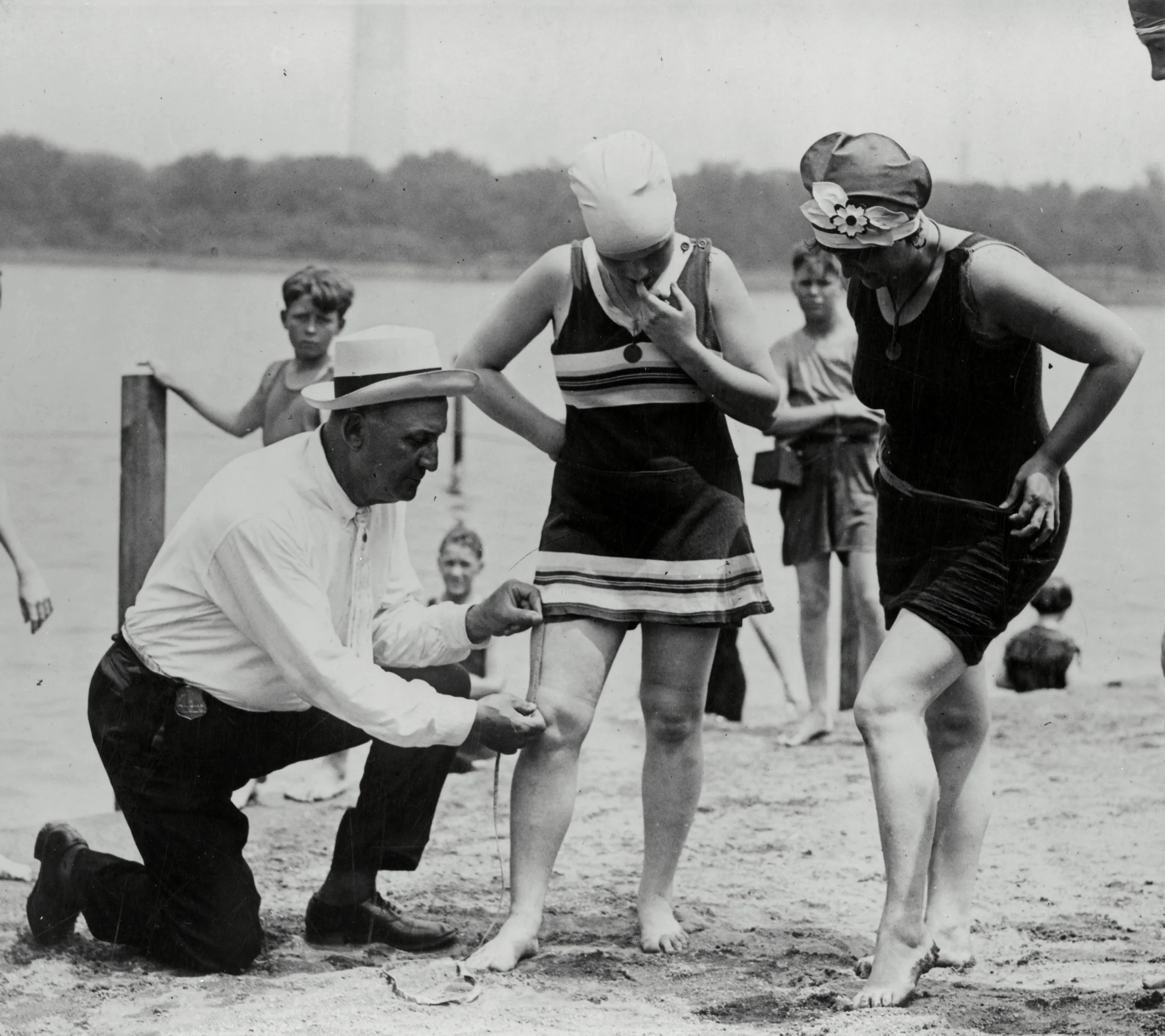
As recently as 2004, then-FIFA president Sepp Blatter suggested women footballers should wear tighter shorts, stating they should ‘play in more feminine clothes like they do in volleyball’
Former England goalkeeper Pauline Cope called it ‘plain ridiculous’ and yet two decades on, sport is still fighting over who decides how women’s bodies are portrayed,.
The European Broadcasting Union (EBU), working with European Athletics and a leading female athletes, has published guidance aimed at encouraging more respectful coverage of women's athletics in a report, Raising the Bar (EBU).
The significance of the EBU implementing this rule is clear and one that has been needed for many years, due to the degrading and unwanted nature of online abuse specifically aimed towards women and their bodies.
Ahead of the 2026 Commonwealth Games, the EBU report recommends filming that does not linger on certain female body parts or use angles or slow motion in a way that may draw attention away from athletic performance.
British pole vaulter and indoor champion Molly Caudery, told the BBC: "It's not controversial, it's a very sensible decision. It is a positive guidance and change. I have experienced it. For this to change for up-and-coming athletes is such a positive change.
"In pole vault, there are so many angles you can film from, so just taking one out is not going to be an issue. It will hopefully lead to everyone just focusing on performance."
EBU Sport’s Glen Killane suggested that such choices ‘shape audience perception by diverting attention from the remarkable achievements and technical skills of women athletes’ which unfortunately reflects the wider reality of abuse in sports.
He said: “The sexualisation of women athletes through selective camera angles and editing choices continues to be a significant concern across many sports broadcasts,” said Glen Killane, executive director of EBU Sport.
“Lingering shots on bodies, low-angle cameras that capture revealing views, and excessive slow-motion replays that serve no technical or storytelling purpose are among the issues observed in the media coverage of women’s athletics competitions today.
“These choices carry profound implications. They shape audience perception by diverting attention from the remarkable achievements and technical skills of women athletes, and risk perpetuating harmful stereotypes.”
The rule has still received criticism amid accusations of double standards comparing the coverage to men’s events, questioning why close-ups of male athletes never spark the same outrage.
How can the EBU advocate for change, when the manual itself risks infantilising women? Equality cannot be reached within athletics by simply changing camera angles.
Despite the rule protecting women from sexualised coverage, it doesn’t change the fact that women cannot play sports they enjoy without becoming the targets of abuse. The very need for the rule highlights how entrenched the issue is.
However, the benefits of the EBU rule are clear. Women feel safer participating, without projecting a certain image or fearing media backlash.
Figures from World Athletics show sexualised and sexist abuse made up over 40% of all detected posts targeting female athletes at the 2022 World Championships.
Academic and social theorist Iris Young argues that women approach physical engagement with “timidity… and hesitancy.” Women are often taught to view their body as a flawed object, something to fix and discipline, which reinforces how they struggle to feel comfortable in their own skin when constantly in the limelight.
The EBU ruling therefore is essential to the future of sport, as it moves women away from the fear of ridicule and towards respected coverage.
From a communications perspective, the EBU ruling also strengthens how sports bodies present fairness and credibility to their audiences. Rather than a list of restrictions, Raising the Bar offers a clear shared standard for broadcasters, directors, camera operators and the athletes they cover (EBU).
Allowing crews of any size the same professional playbook. Killane frames it as an industry-wide commitment, saying “women’s sport deserves to be seen, covered and valued on equal terms.”
Crucially, the guidelines were shaped by athletes who have lived this problem.
Serbian long jumper Ivana Spanovic explained that certain camera angles combined with gender stereotypes “can also have serious long-term effects on athletes' mental health.” The EBU ruling ensures that athletes can compete without the worry of feeling uncomfortable or anxious about live footage.
The EBU ruling is significant. Women must be respected as athletes as much as men, and this is a step in the right direction to tackle double standards. The scheme creates a case for other sports to introduce similar policies.
The EBU’s policy is a step in the right direction, one that pledges to eliminate decades of disrespect to women’s bodies in sport - now it’s time for other sports to follow suit.
Respectful coverage shouldn’t be a policy- it should be the norm.
Written by Jess Spillman