
Calacus White Paper – The Power of Sport for Good 2025
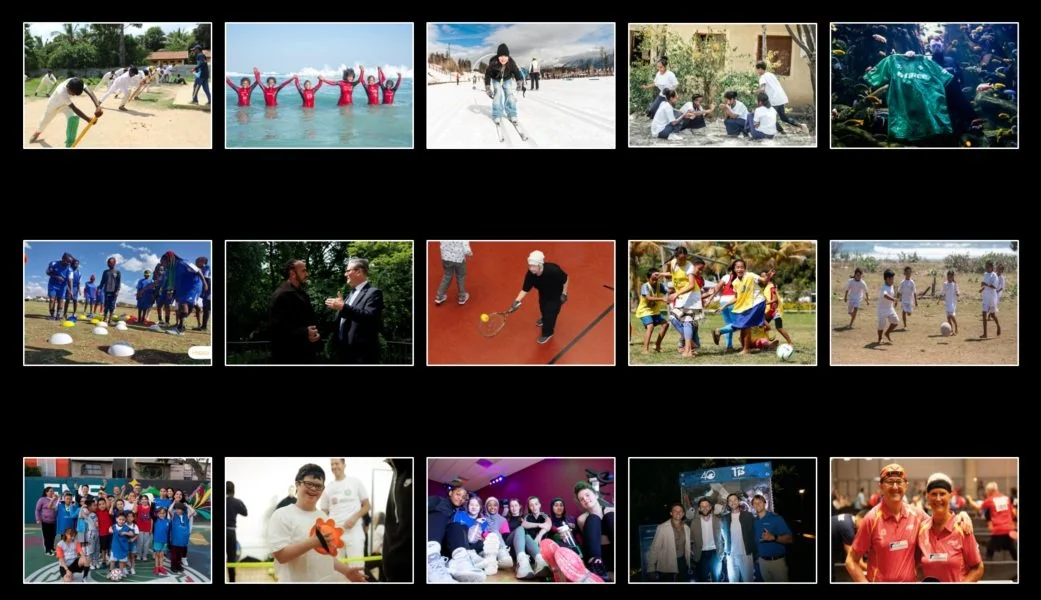
Organisations around the world are well aware of the power of sport to make a difference to society.
At the inaugural Laureus World Sports Awards, Nelson Mandela captured the idea simply: "Sport has the power to change the world. It has the power to inspire. It has the power to unite people in a way that little else does. It speaks to youth in a language they understand.”
That belief still matters. But in 2025, the conversation has moved on. The question is no longer whether sport can be a force for good in principle – it is whether sport programmes can deliver measurable, repeatable outcomes for the children, young people and the disadvantaged who face the greatest barriers: displacement, trauma, exclusion, and disability.
This is the space where sport for good earns its credibility. At its best, it is not a soft add-on or a reputational line item. It is structured, intentional youth development, delivered through coaches and mentors who create psychological safety, set expectations, build belonging, and teach transferable skills that travel beyond sports arena. Global institutions continue to build frameworks that treat sport as an enabler of sustainable development.
The IOC’s Olympism365 strategy, for example, positions sport as a practical contributor to the UN Sustainable Development Goals, projected to generate more than US$200m in value towards building a better world through sport.
The evidence for sport for good is becoming harder to ignore.
Recent 2025 research reinforces a core truth: sport does not produce life skills by default.
Positive outcomes depend on programme design and delivery quality, particularly the role of trusted adults in creating “positive youth development” experiences.
A 2025 study examining sport-for-development interventions found that these intentionally created experiences are strongly associated with growth in social-emotional learning, leadership development, and career and college readiness – especially for socially vulnerable youth.
Importantly, the field is also producing more robust evaluations. A 2025 randomised study of LiFEsports reported evidence of sport-based positive youth development programmes improving social skill development, underlining that well-built sport interventions can stand up to scrutiny, not just storytelling.
A 2025 review of school-based physical activity interventions for children and adolescents with disability assesses impacts across academic, cognitive and mental health.
It highlights how often disabled young people are still overlooked in mainstream delivery – a reminder that sport for good must be intentionally accessible, not accidentally excluding.
The case studies that follow celebrate organisations that have invested time, resources and intent in making a difference through sport.
Yes, there can be commercial and reputational benefits.
But this white paper is grounded in a more important point: sport has the opportunity to create meaningful change – if programmes are designed for development, delivered with care, and measured with honesty.